





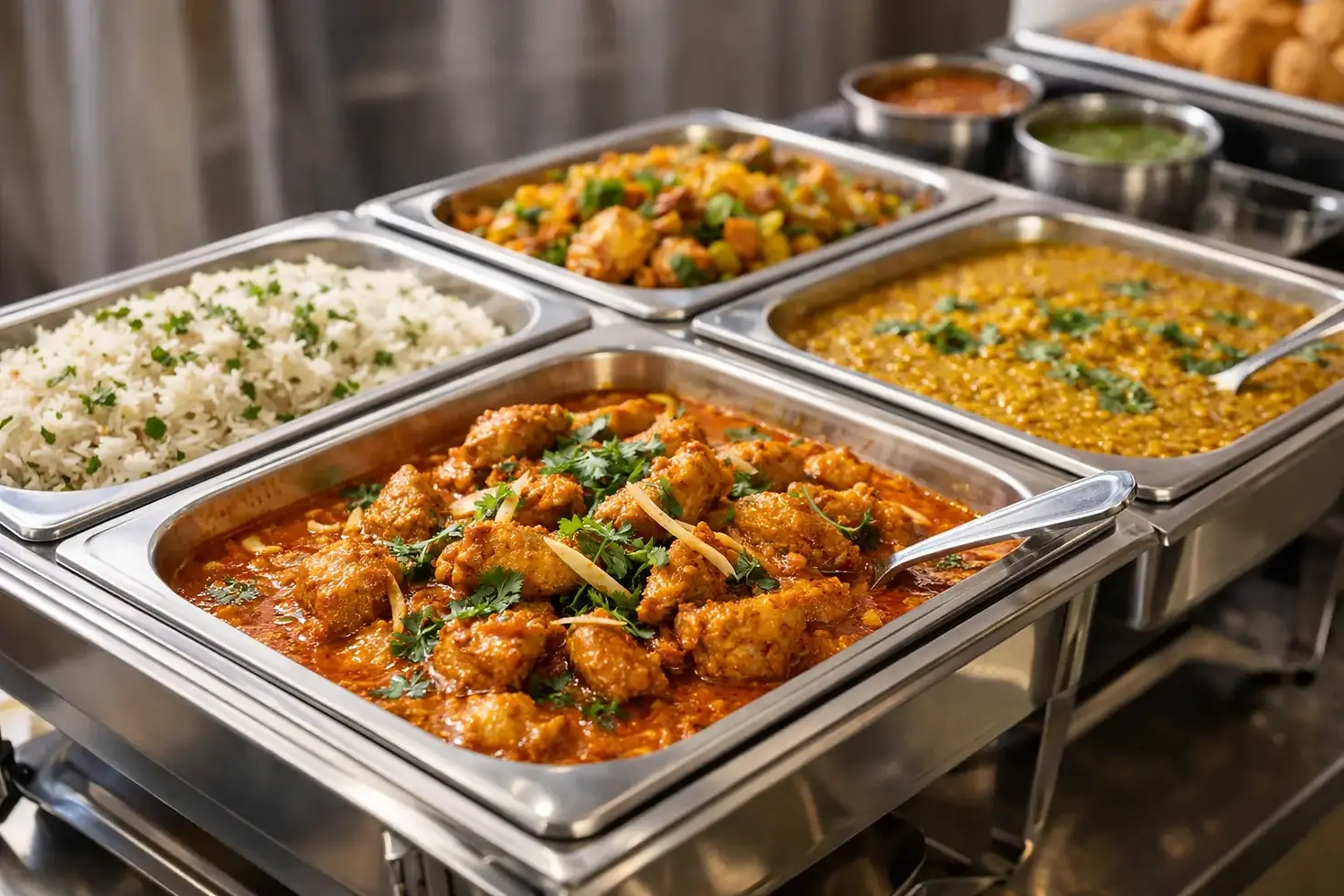
Guide to Indian Catering Trays

If you have ever ordered for a group and worried about running short, picking the wrong spice level, or ending up with too many heavy dishes, this guide to indian catering trays is for you. Good catering should make hosting easier, not more stressful. The right trays give your guests variety, keep service simple, and make the whole meal feel generous from the first samosa to the last spoonful of curry.
Indian food works especially well for group meals because it is built for sharing. You can put together a spread that feels complete without making it complicated - a few appetizers, a couple of vegetarian options, one or two meat favorites, rice, naan, and you are in good shape. The trick is choosing trays that balance flavor, texture, and comfort for the size and style of your event.
Why indian catering trays work so well for groups
Catering trays are practical, but they also do something regular takeout often cannot. They create a table people want to gather around. A tray of butter chicken, a pan of shahi paneer, fresh naan, and a crisp platter of vegetable samosas gives guests options right away, and that matters when you are feeding different ages, preferences, and spice tolerances.
They are also flexible. A casual office lunch needs food that serves fast and appeals to a wide mix of tastes. A family celebration might call for a few richer dishes and more variety. A game night or birthday dinner may lean toward snackable appetizers and bold crowd favorites. Indian catering trays can fit all three, but the tray mix should change depending on the occasion.
Start with the type of gathering
Before you think about specific dishes, think about how people will eat. That usually tells you more than headcount alone.
For a work lunch, guests often want recognizable dishes, mild to medium heat, and easy serving. This is where dependable favorites shine. Butter chicken, shahi paneer, basmati rice, naan, and samosas are easy wins because they feel familiar, satisfying, and not too adventurous for a mixed crowd.
For a family meal or celebration, people usually stay longer and eat more leisurely. You can add a little more range here. Along with the staples, a tandoori item, a lamb dish, or something with a little extra spice can make the spread feel more special.
For a casual party, texture matters as much as flavor. You want food that keeps people interested between conversations. Appetizers like vegetable samosa, alu tikki, and chili chicken momos bring that snacking energy, while a couple of saucy mains keep the meal grounded.
How many trays do you actually need?
This is where most hosts second-guess themselves. The answer depends on whether food is the main event, whether guests are big eaters, and how many sides are included.
As a general rule, a complete meal feels more balanced when you choose a few medium-to-large trays instead of too many single items. If you are feeding a modest group, one vegetarian main and one chicken main often cover a lot of ground. For a larger crowd, adding one more protein and another starch or bread usually makes service smoother and helps avoid a line forming around one popular dish.
Appetizers are often underestimated. People start eating them before everyone arrives, and they disappear fast. If your event begins with mingling, build in enough starters so guests do not hit the mains too early.
Rice and naan matter more than many people expect. Even rich entrees feel incomplete without them, and they help stretch the meal naturally. If you are trying to stay on budget, adding enough rice and bread is smarter than over-ordering expensive entrees.
A simple formula for building a balanced spread
The best guide to indian catering trays is not about ordering the most food. It is about ordering the right mix.
Start with one or two appetizers. Vegetable samosas are a safe choice for almost any group because they are crisp, familiar, and easy to pass around. Alu tikki adds another vegetarian option with a different texture. If your crowd likes a little heat and something more playful, chili chicken momos can give the table extra personality.
Then choose your mains with balance in mind. One creamy, comforting dish like butter chicken pairs well with something vegetarian such as shahi paneer. That combination works for mixed groups because it gives guests both a classic chicken option and a substantial meatless choice that still feels rich and satisfying.
If you want a stronger centerpiece, add something from the tandoor or a bolder protein. Lamb chop or shrimp tandoori can elevate the meal, especially for celebrations or dinner events where people expect a little more than standard office catering. The trade-off is that these items can feel more specific in taste and may not disappear as fast as the most familiar curries, so they work best as complements rather than your only featured tray.
Finish with rice and naan. These are not extras. They are part of what makes the meal feel complete and easy to serve.
Choosing trays for mixed dietary preferences
Most group orders need to account for at least a few different eating styles. Some guests want vegetarian options, some prefer chicken, some avoid spicy food, and some want the most flavorful dish on the table. A good catering order respects all of that without becoming too complicated.
A vegetarian tray should never feel like an afterthought. Dishes like shahi paneer hold their own and often appeal to meat-eaters too. That matters because the best vegetarian catering dishes are not separate from the meal - they are part of what makes the whole spread better.
For protein, chicken is usually the safest centerpiece. It tends to satisfy the broadest range of guests and works well alongside rice and naan. Seafood and lamb can make the meal feel more premium, but they are best added once your core order is already covered.
Spice level deserves a little thought. If you are feeding a broad group, mild to medium is usually the safest base. You can always add one dish with more heat for guests who want it. Going too spicy across the board is one of the easiest ways to make a catering order less approachable.
Portion planning without overordering
Nobody wants to run out of food, but having too much leftover curry can feel wasteful. The sweet spot is enough variety that guests can sample a few things, without ordering every dish that sounds good.
If your event includes appetizers, mains, rice, naan, and drinks, guests usually build balanced plates rather than piling everything into one choice. That helps catering trays go further. If the meal is the main attraction and people are arriving hungry, plan more generously, especially on your most familiar dishes.
Children and adults also eat differently. Family events with kids often need more naan, more rice, and more of the mild favorites. Office groups may lean harder into appetizers and chicken dishes. Evening parties often move faster on starters than expected.
This is why dependable restaurant guidance matters. An experienced catering team can usually tell from your guest count and event type whether you need another tray or whether what you have already chosen is enough.
Common mistakes to avoid
The biggest mistake is ordering all heavy dishes. Creamy curries are delicious, but if every tray is rich, the table can start to feel repetitive. A mix of creamy, grilled, crisp, and savory keeps the meal more enjoyable.
The second mistake is skipping vegetarian options because you assume only a few guests will want them. In reality, a strong vegetarian tray often gets shared by everyone.
The third is treating bread and rice like minor add-ons. They are not. They help guests build satisfying plates and make the meal feel abundant.
Last, do not build the whole order around the most adventurous item on the menu unless you know your crowd well. Group catering is usually at its best when it starts with familiar favorites and adds one or two standout dishes around them.
When to keep it classic and when to branch out
There is nothing boring about ordering the classics if the food is made well. Butter chicken, shahi paneer, samosas, and naan are popular for a reason. They are delicious, dependable, and easy for all kinds of guests to enjoy.
Branching out makes sense when the event is more personal, the guest list is more adventurous, or you simply want the meal to feel a little more memorable. That is where dishes like shrimp tandoori, lamb chop, or chili chicken momos can bring extra energy to the table.
If you are ordering from a trusted local restaurant, ask for help building around your crowd instead of guessing. At a place like Mumbai Darbar Indian Cuisine, that kind of guidance is part of making catering feel easy, not complicated.
A good tray order should leave you feeling relaxed before guests arrive. Pick the dishes people will actually be excited to eat, balance the table, and let the food do the welcoming.


Comments